ENSV

Hiking with children

Hiking with children works best when the outing is built around the children’s pace and experience rather than an adult distance target. Prepare them in advance, keep the route flexible and allow plenty of time for breaks and discovery.

How do I plan a hike that works for children?

Choose a shorter, flexible route, explain the outing beforehand and let the children’s pace guide the day. Take frequent breaks, include interesting stops and make sure everyone has suitable clothing, water and food for the conditions.

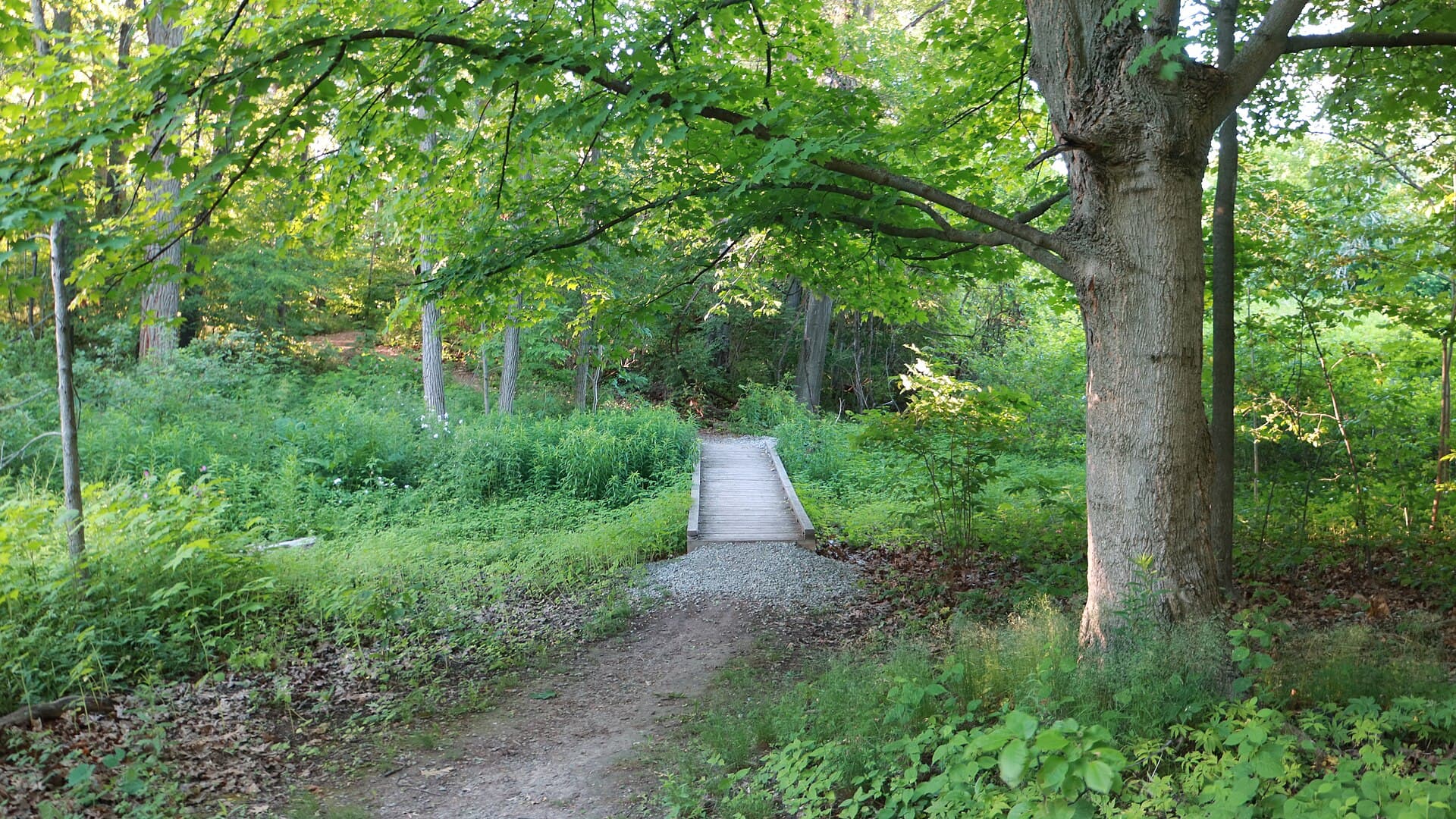
A forest trail with a small wooden footbridge crossing a damp section, surrounded by lush greenery.
Thomas Metaxas

Source: Friluftsfrämjandet: Hiking with children; Swedish Environmental Protection Agency: Walking and hiking · Last verified: 8 September 2026

Children differ in age, experience and stamina. The guide therefore gives no universal distance or time limits and should be adapted to the individual child and location.

Plan around the children

Friluftsfrämjandet recommends putting the children’s experience first. A shorter route with time to play and explore can work better than a longer hike focused on covering distance.

Prepare before leaving

Explain where you are going, roughly what the outing will involve and what you might discover. A clear goal such as a picnic spot, viewpoint or interesting feature can help motivation.

Breaks, food and water

Children may need more frequent breaks than adults. Carry water and accessible snacks and allow time to stop, play and explore.

Clothing and a flexible route

Children need weather-appropriate clothing just as adults do. Choose a route that can be shortened if energy, weather or mood changes, and follow the consideration rules of Sweden’s Right of Public Access.