ENSV

Watch wildlife without disturbing it

Good wildlife watching does not require getting close. Keep your distance, leave young animals alone and keep dogs under control. If an animal changes behaviour or moves away, increase your distance.

How can I watch wildlife without disturbing it?

Observe from a distance and avoid following or crowding animals. Leave apparently solitary young animals alone; they are rarely abandoned. Keep full control of dogs and take extra care in spring and summer when many animals have young.

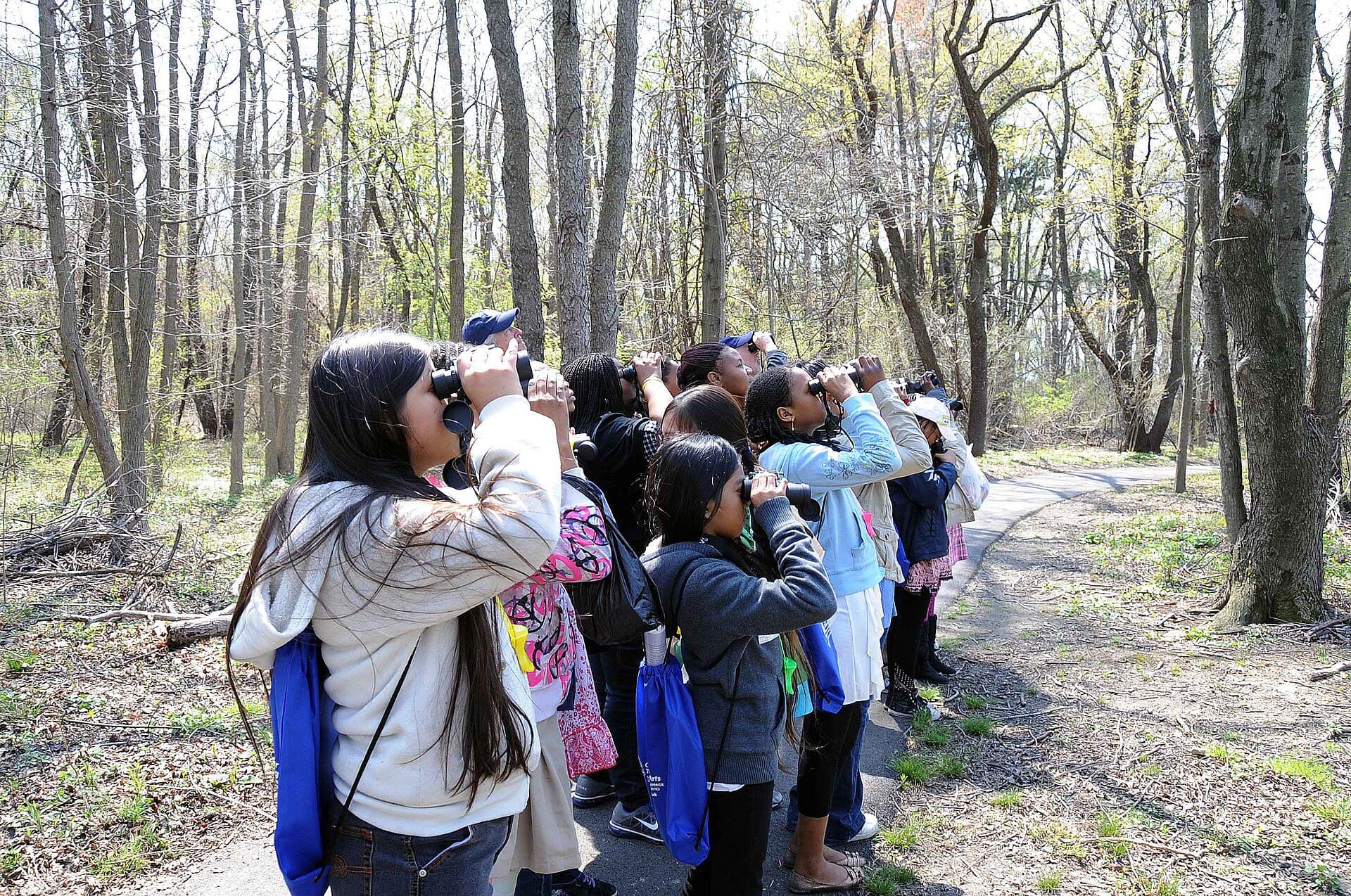
A group of children, seen from behind, watching birds with binoculars on a forest trail.
Walton LaVonda, U.S. Fish and Wildlife Service

Source: Swedish Environmental Protection Agency: wildlife guidance; dogs in nature; Right of Public Access · Last verified: 8 September 2026

Animal behaviour varies by species and situation. The guide avoids giving a universal distance in metres because no single figure is supported for all wildlife encounters.

Distance is part of responsible wildlife watching

The Swedish Environmental Protection Agency emphasises avoiding disturbance, especially during spring when many animals are raising young.

Leave young animals alone

Young animals that appear to be alone are very rarely abandoned. Their parents are often nearby, and the official advice is to leave them in place.

Control dogs

From 1 March to 20 August dogs must be kept under particularly close supervision and must not run loose in nature. At other times they must still be prevented from chasing or disturbing wildlife.

Protected species and places

Wild birds and many other species are protected. National parks and nature reserves can also have additional rules. Do not seek out sensitive nests or breeding sites for a closer view.