ENSV

Eurasian otter

Eurasian otter — Lutra lutra

Eurasian otter has recovered markedly in Sweden after a long historical decline. This guide explains the recovery, remaining threats and why an improving trend does not mean all conservation problems are solved.

What should I know about the Eurasian otter in Sweden?

Eurasian otter (Lutra lutra) is increasing and spreading in Sweden. SLU reports that it can now be assessed as Least Concern, while the Swedish Environmental Protection Agency still identifies pollutants and road mortality as ongoing issues in parts of the country.

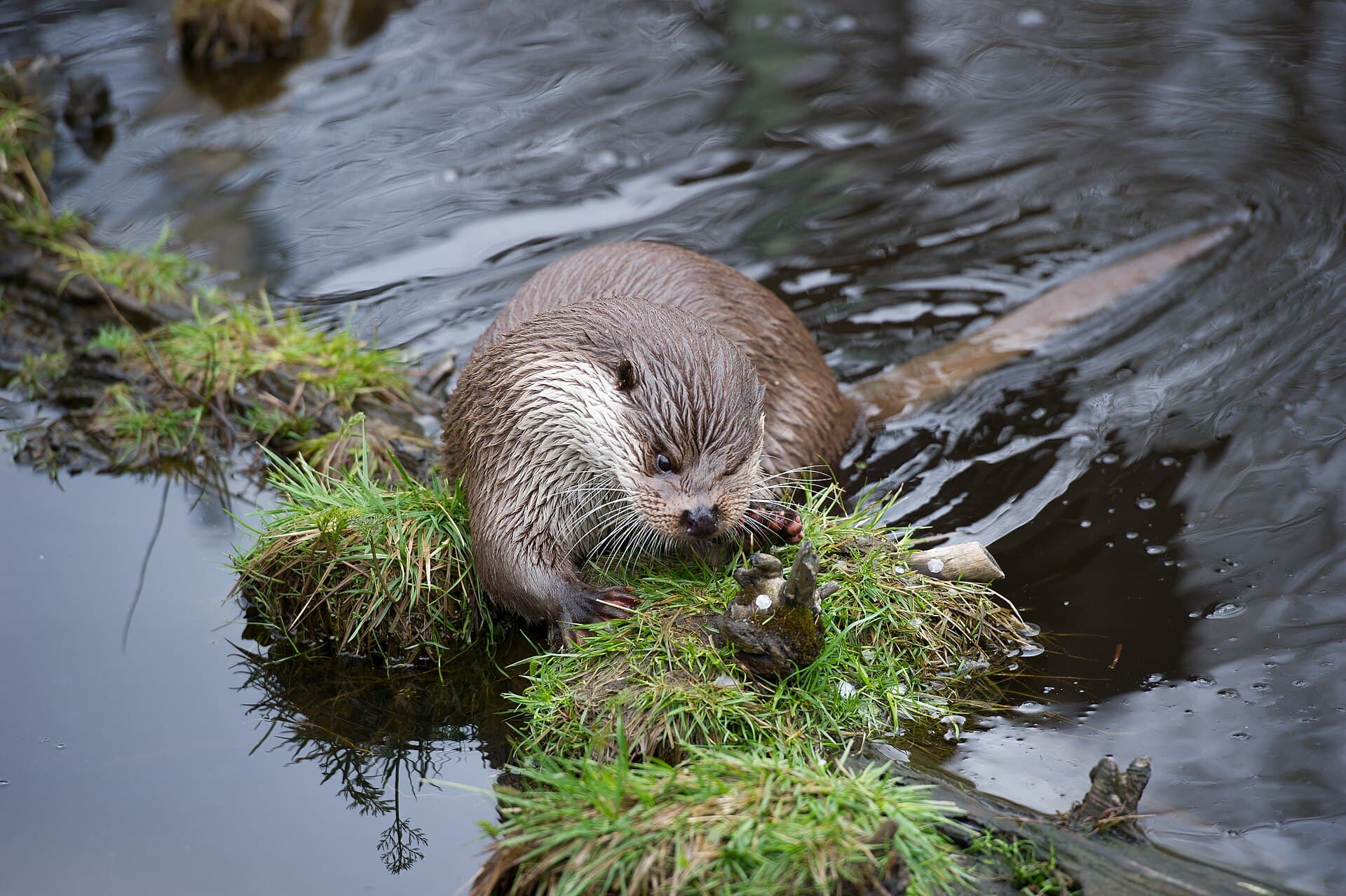
A Eurasian otter feeding on a grassy tussock at the water's edge, showing wet grey-brown fur, a pale chin and prominent whiskers.
Alexander Leisser

Source: SLU Swedish Species Information Centre: Swedish Red List 2026; Swedish Environmental Protection Agency: Terrestrial mammals · Last verified: 8 September 2026

Red List categories and conservation assessments can change between assessment cycles; exact population numbers are intentionally omitted.

A clear recovery

SLU describes otter as an example of a species where long-term conservation measures have reversed a negative trend.

Pollution was a major historical driver

Persistent organic pollutants contributed strongly to the earlier decline. Lower environmental concentrations following bans and restrictions have supported recovery.

Threats remain

The Swedish Environmental Protection Agency still points to environmental contaminants outside the alpine region and road mortality as important problems.

Conservation status is not the same as no problems

A Least Concern assessment does not mean every local issue has disappeared. Reproduction, road mortality, pollutants and regional status still need monitoring.