

ENSV
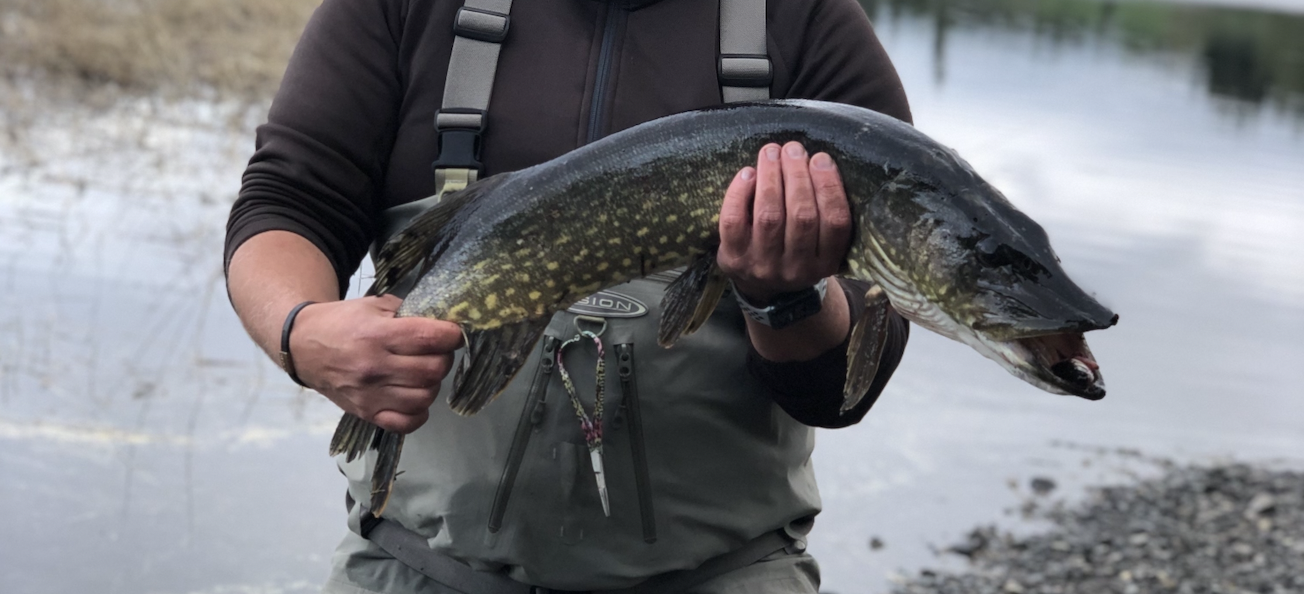
Northern pike is a predatory fish found in lakes across much of Sweden and in Baltic archipelagos. This guide explains its habitats, hunting behaviour and the importance of shallow vegetated areas during spawning.
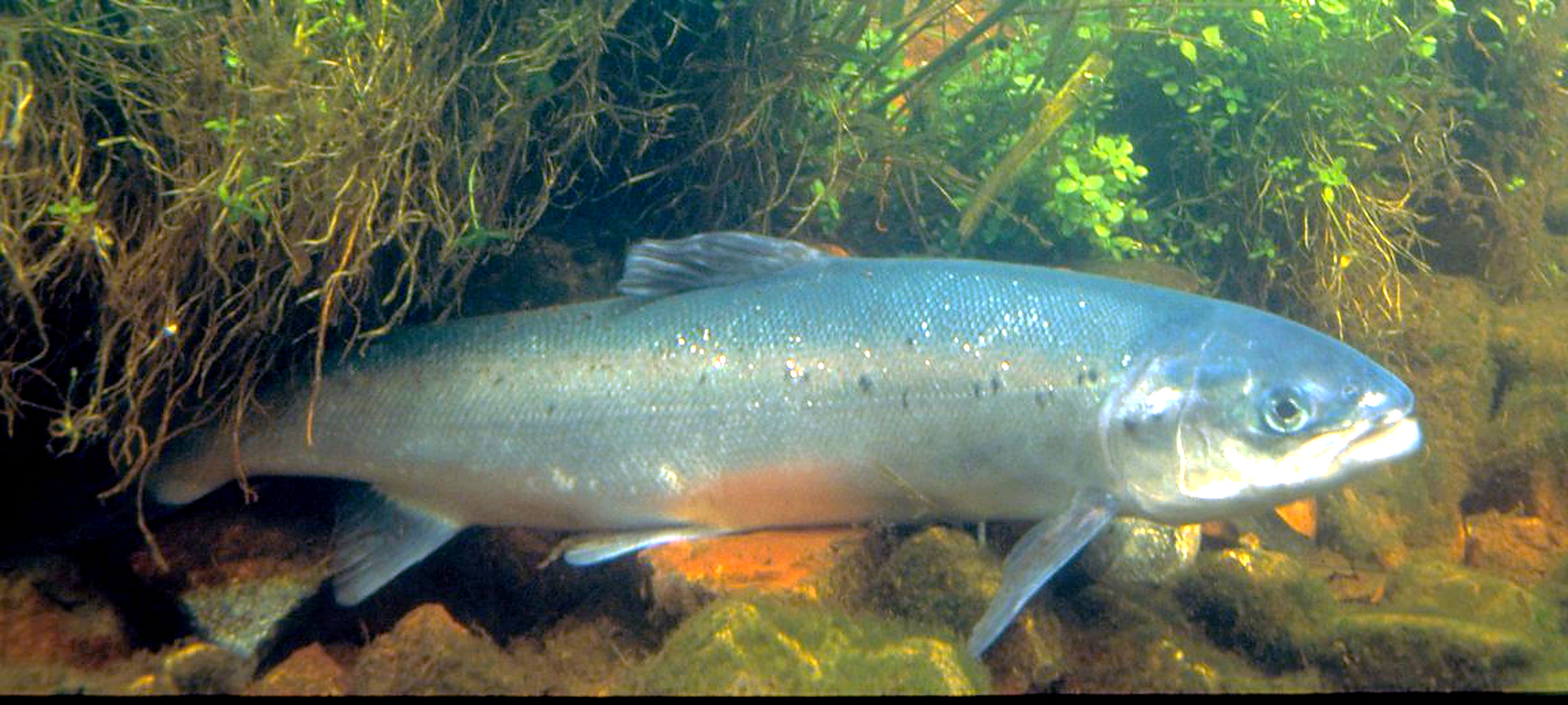
Atlantic salmon occurs in selected Swedish rivers and in the seas surrounding Sweden. This guide explains the connection between river and sea populations and why fishing rules must be checked for each specific area.
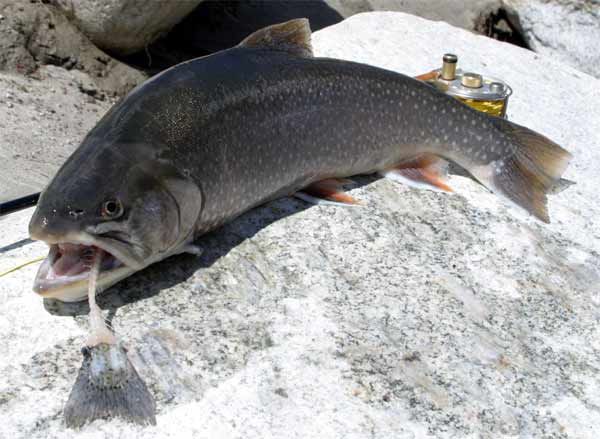
In Sweden, “röding” covers closely related char with different distributions. Large-lake char occurs in waters such as Vättern and Sommen, while Arctic char is found from Värmland northward along the mountain chain.
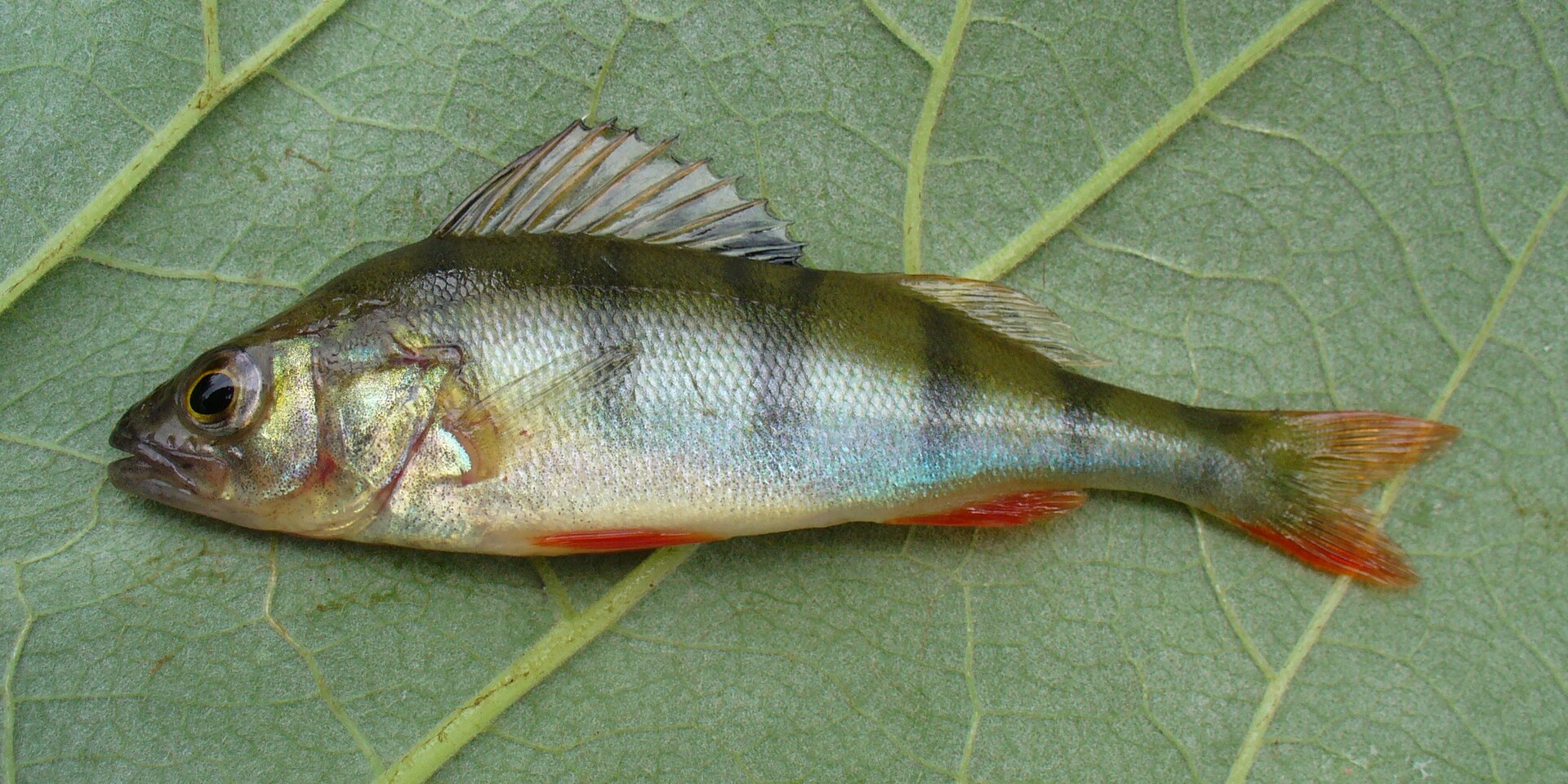
European perch is one of Sweden’s most widespread freshwater fish and also occurs along the Baltic coast. This guide explains its distribution and why populations can vary considerably between waters and years.
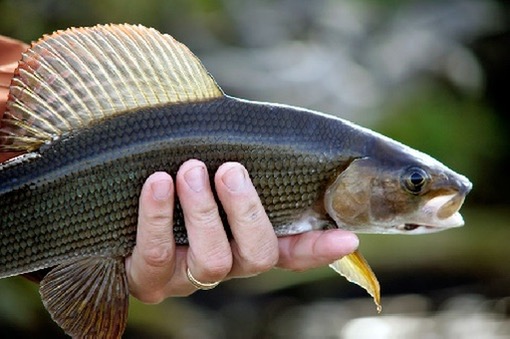
European grayling is mainly a northern species associated with cold, clear and oxygen-rich waters, although it also occurs farther south in Sweden. This guide covers habitat, diet, spawning and the need to check local fishing rules.
.jpg)
Moose is Sweden’s largest wild land animal. This guide explains key identification features, the seasonal cycle of antlers and basic facts about calves and body size.
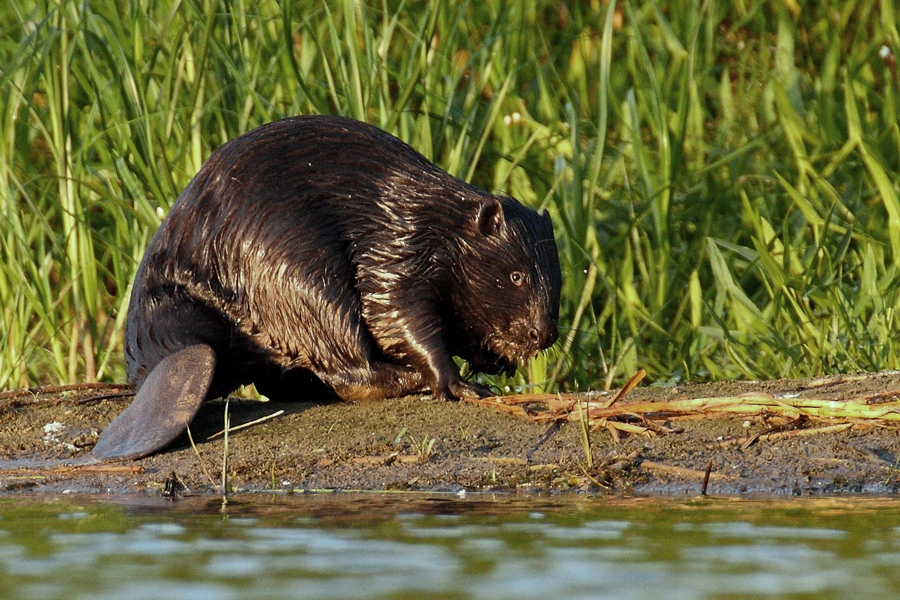
Eurasian beaver can reshape local environments by felling trees and building dams. This guide explains its return to Sweden and why its activities can alter entire local ecosystems.
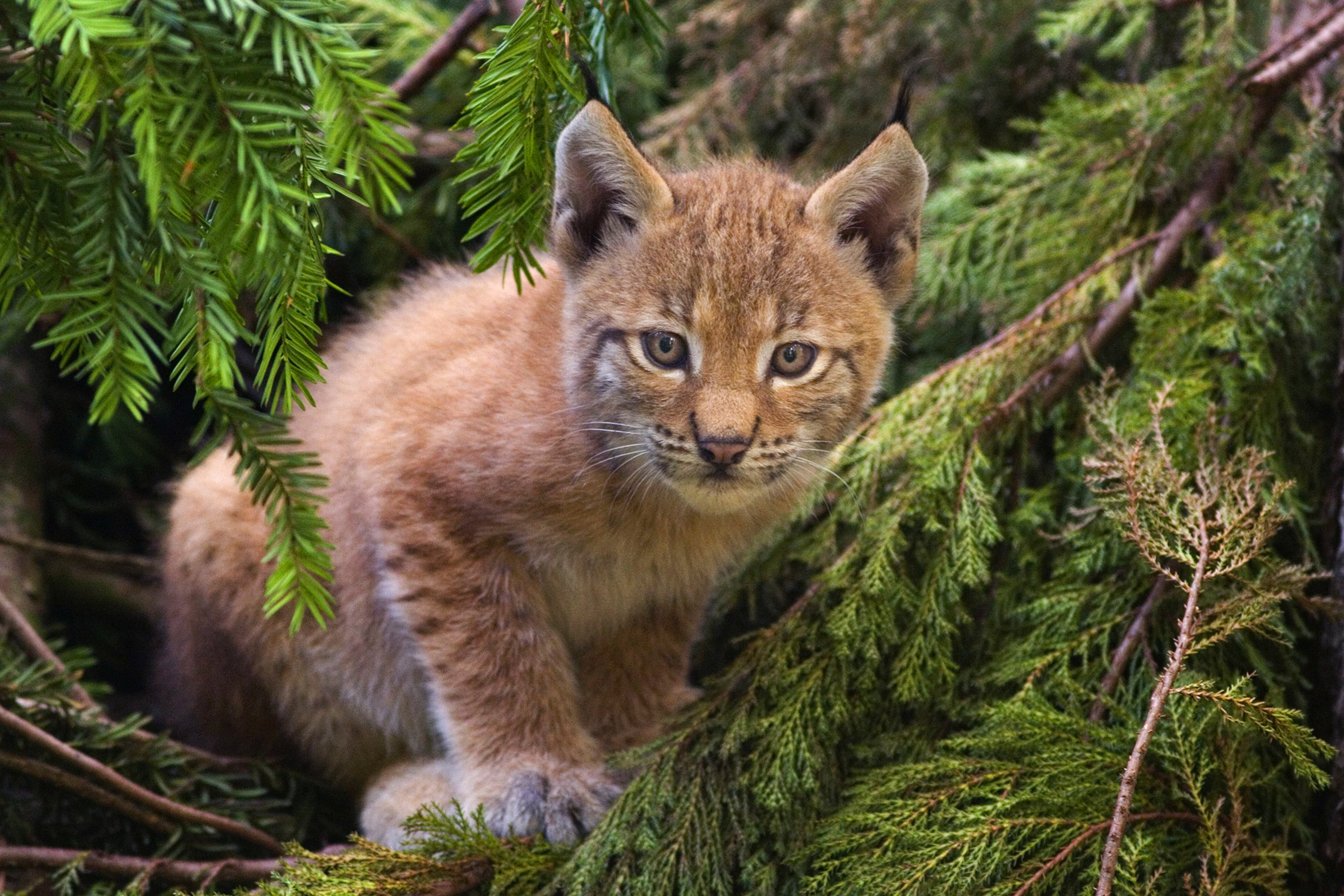
Eurasian lynx is Sweden’s only wild cat and uses large home ranges. This guide explains reproduction, diet and movement, while treating population counts as time-bound monitoring results rather than permanent facts.
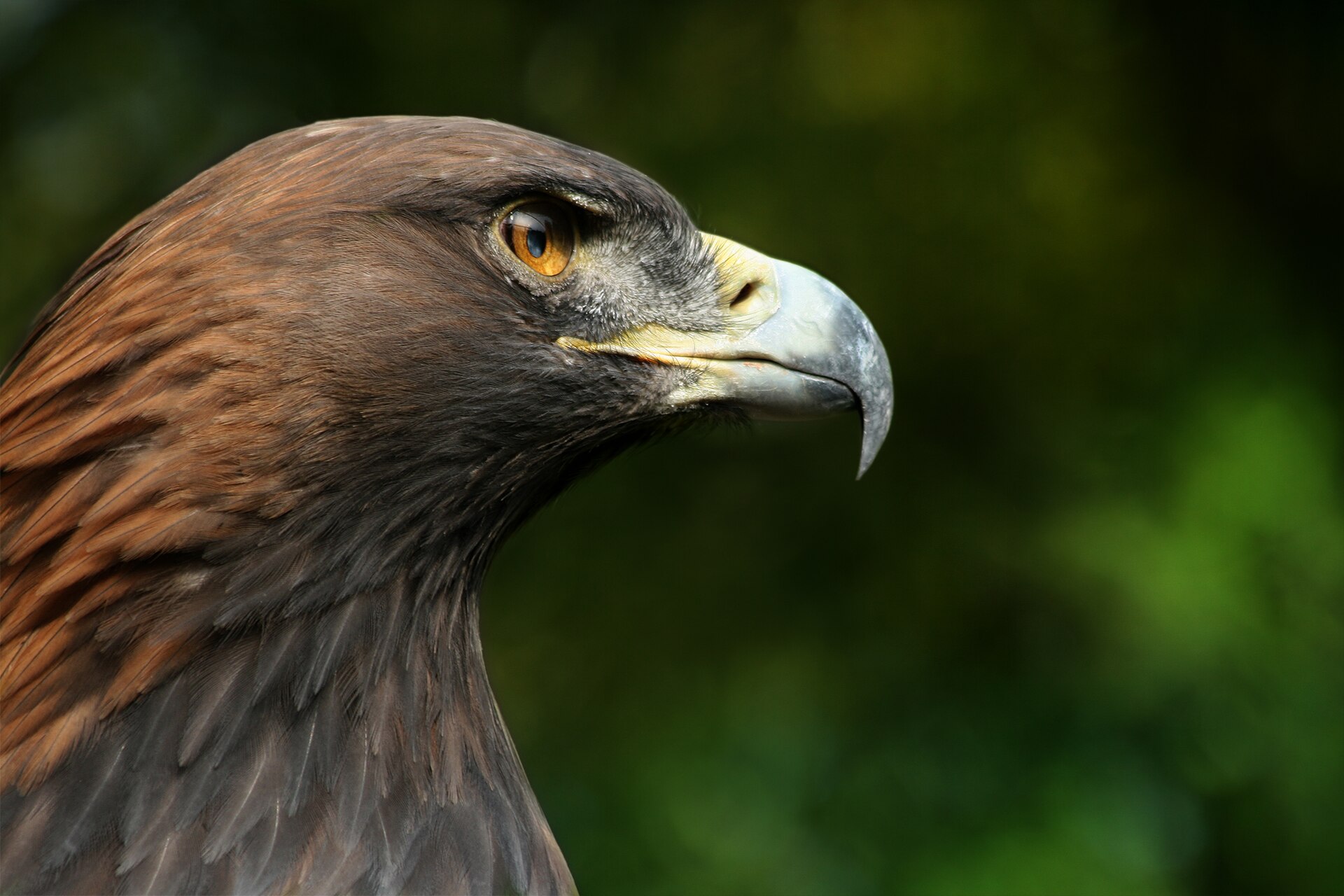
Golden eagles in Sweden are monitored through territories and breeding results. This guide explains how monitoring works, where the species is concentrated and why breeding success varies substantially between years.
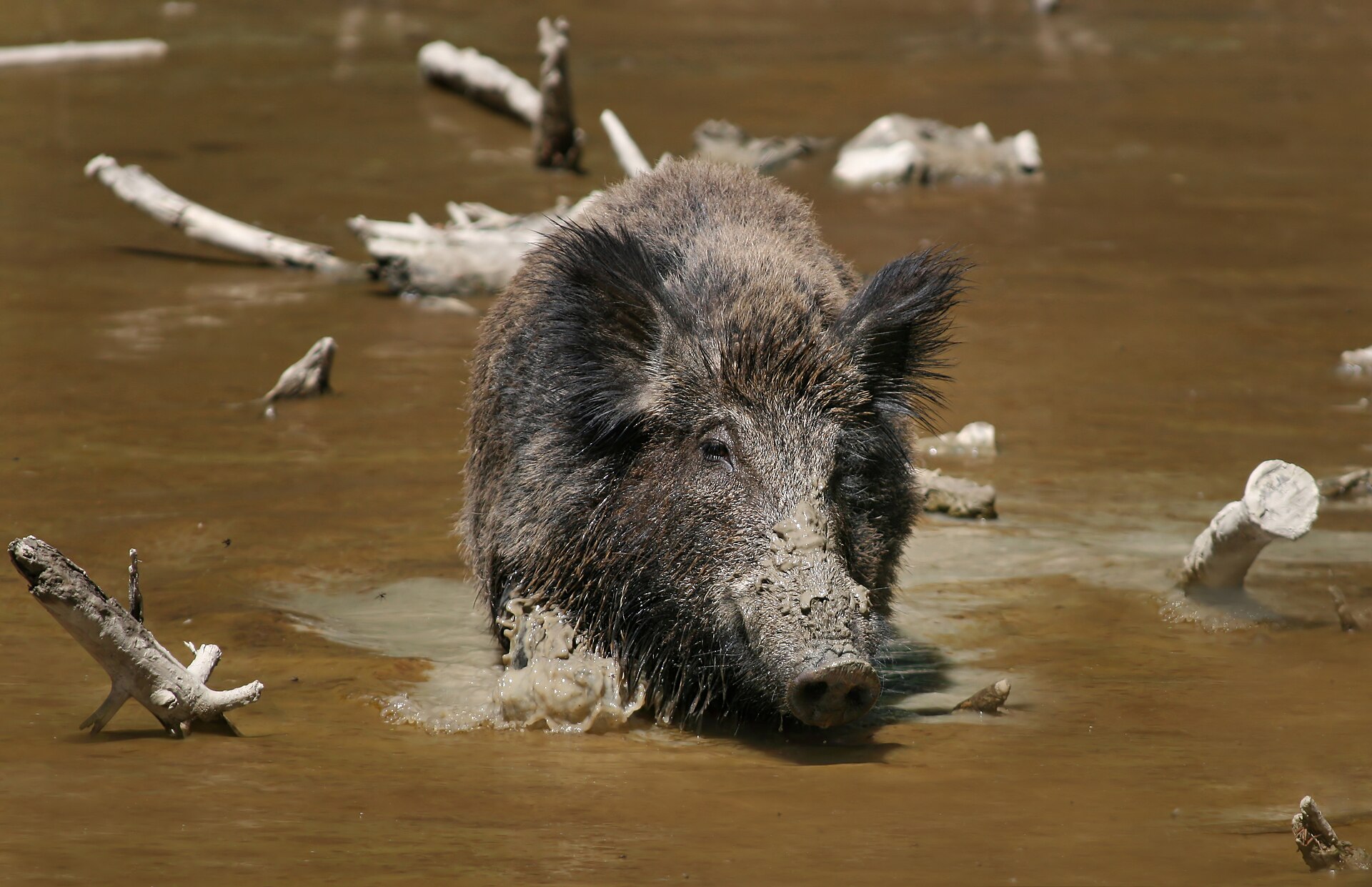
Wild boar is once again an established part of Sweden’s fauna. New monitoring models combine several data sources to estimate population size and development. This guide focuses on the species’ return and how authorities track it.
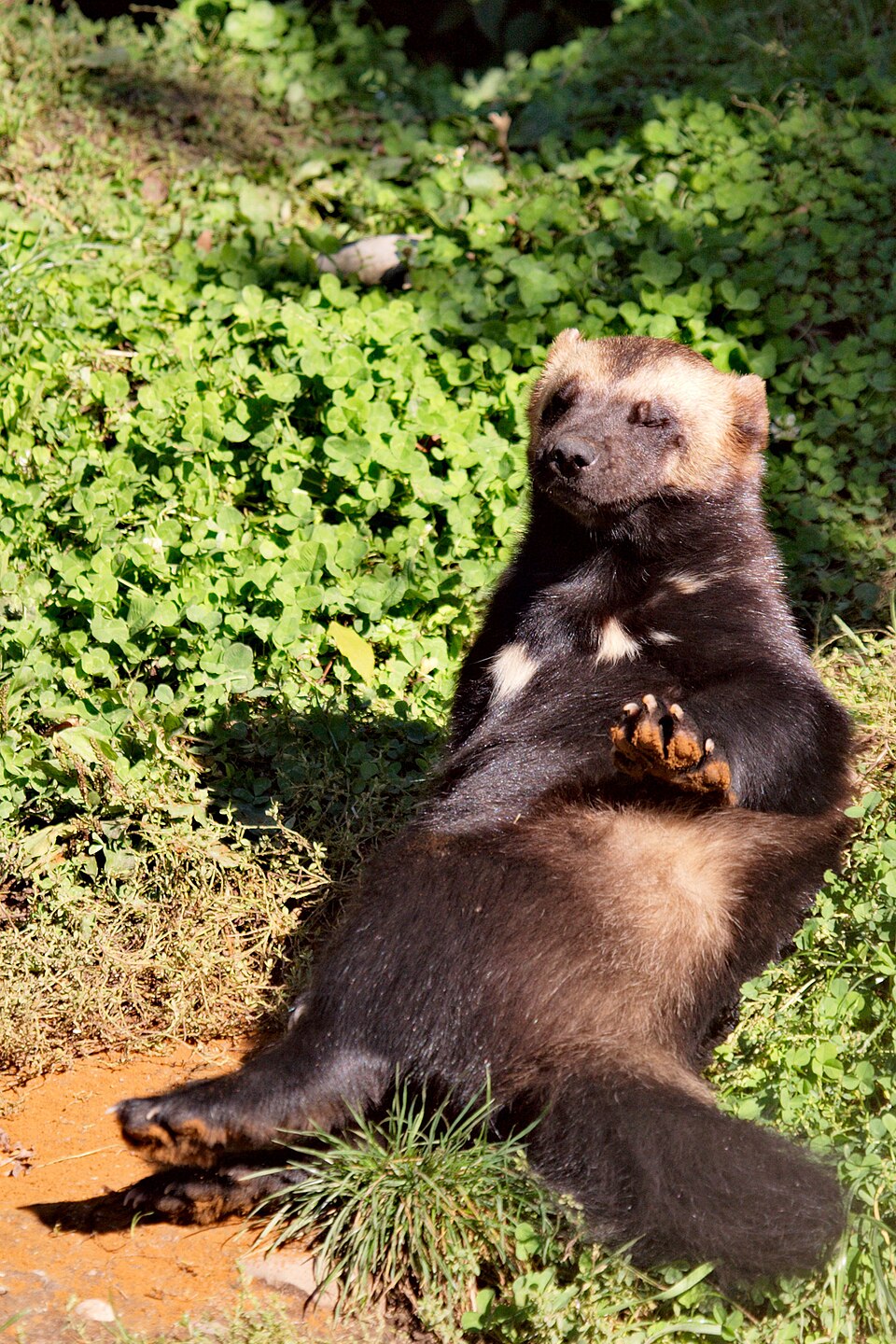
Wolverine monitoring in Sweden is now primarily DNA-based. This guide explains how the species is monitored, how its distribution has changed and why population estimates always need to be tied to a specific monitoring year.
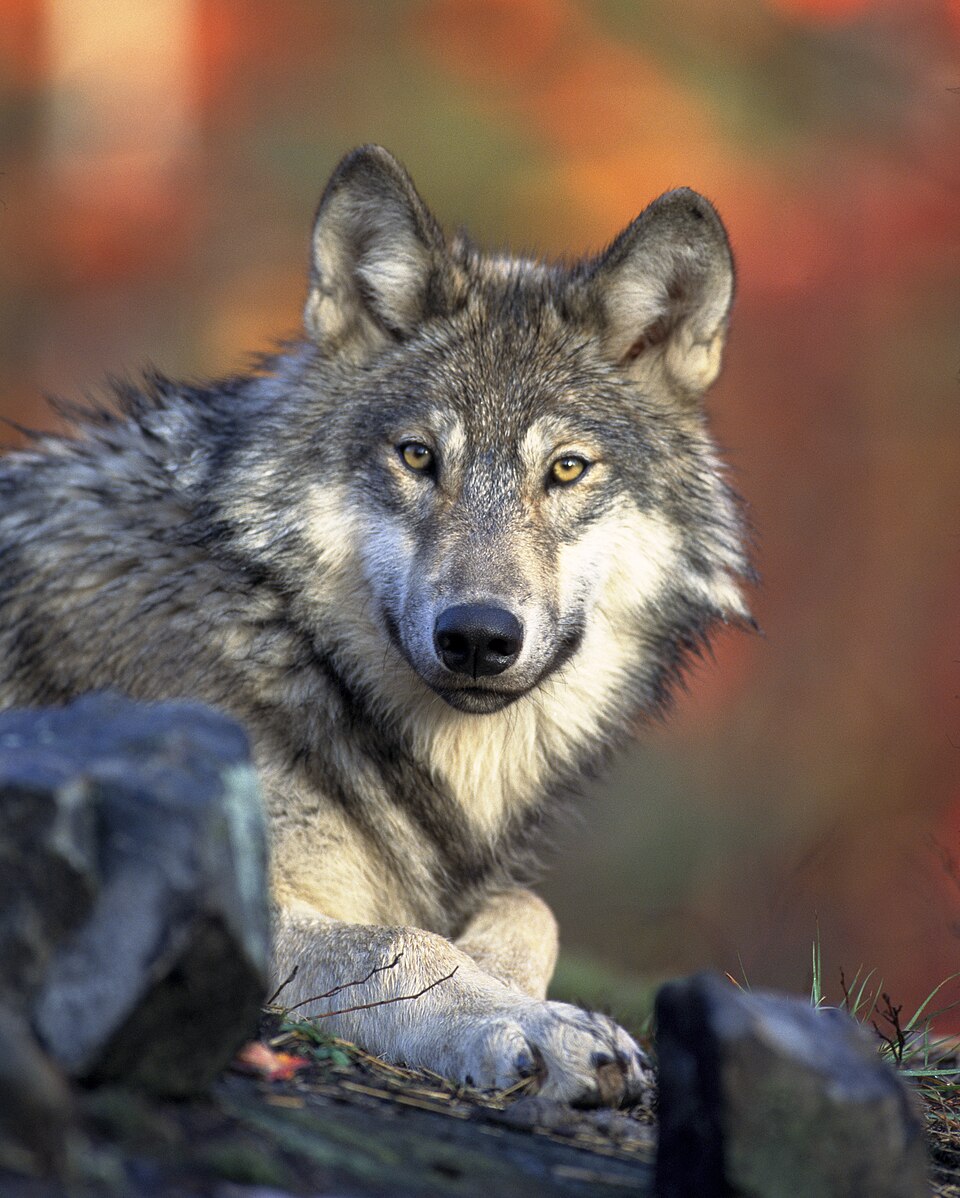
The Scandinavian grey wolf lives in territories and has been studied for decades using GPS tracking and DNA. This guide focuses on movement, territories, reproduction and genetics rather than political targets or hunting decisions.
.jpg)
White-tailed eagle is a clear example of how long-term conservation can change a species’ situation. In Sweden’s 2026 Red List work, the species can leave the Red List and be assessed as Least Concern.
.jpg)
Arctic skua is a seabird breeding in Sweden, known for fast flight and for pursuing gulls and terns to obtain food.
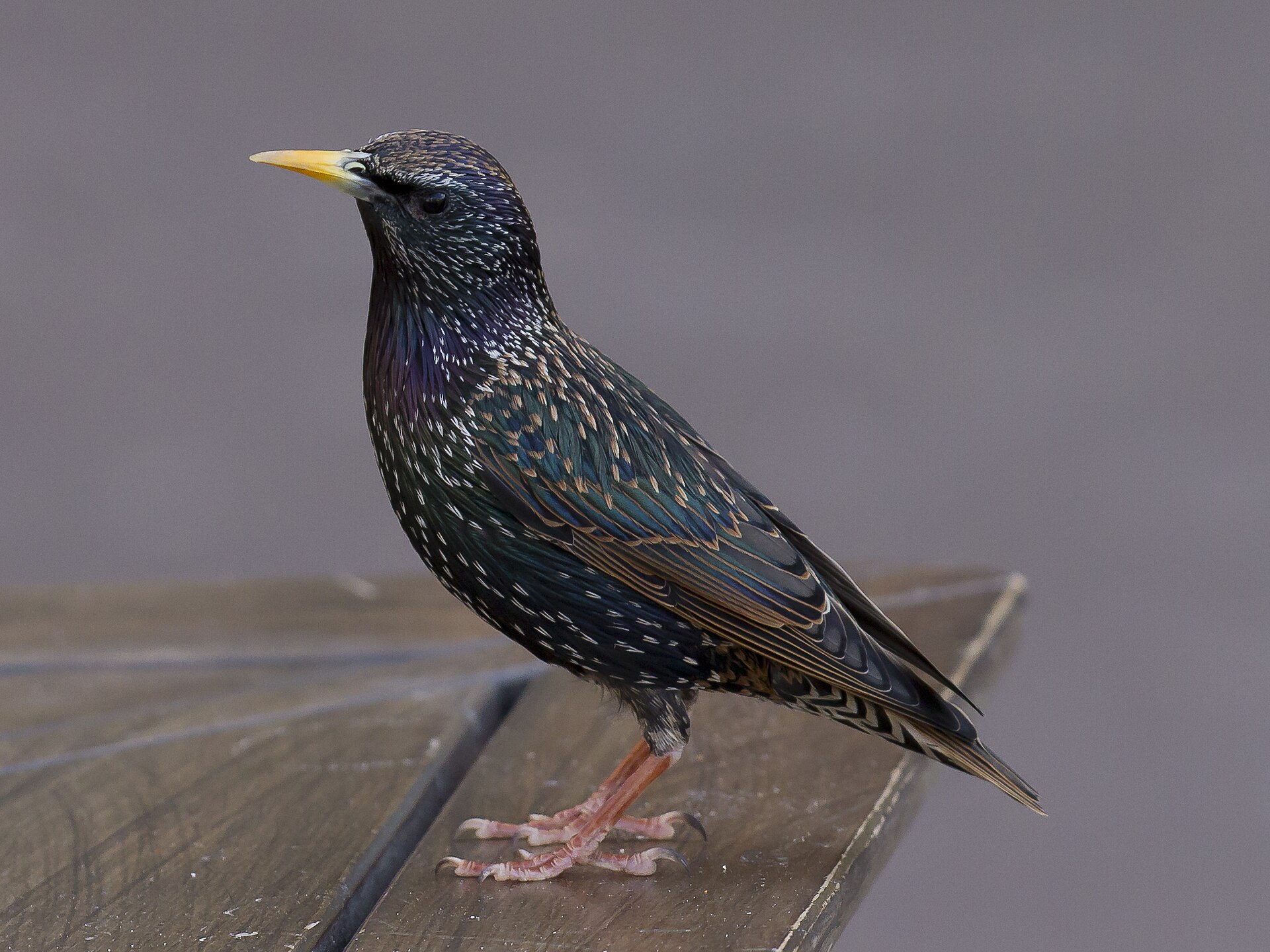
Common starling is a familiar bird of farmland, grasslands and urban environments. It has dark plumage with metallic sheen, often feeds on open ground and nests in cavities.
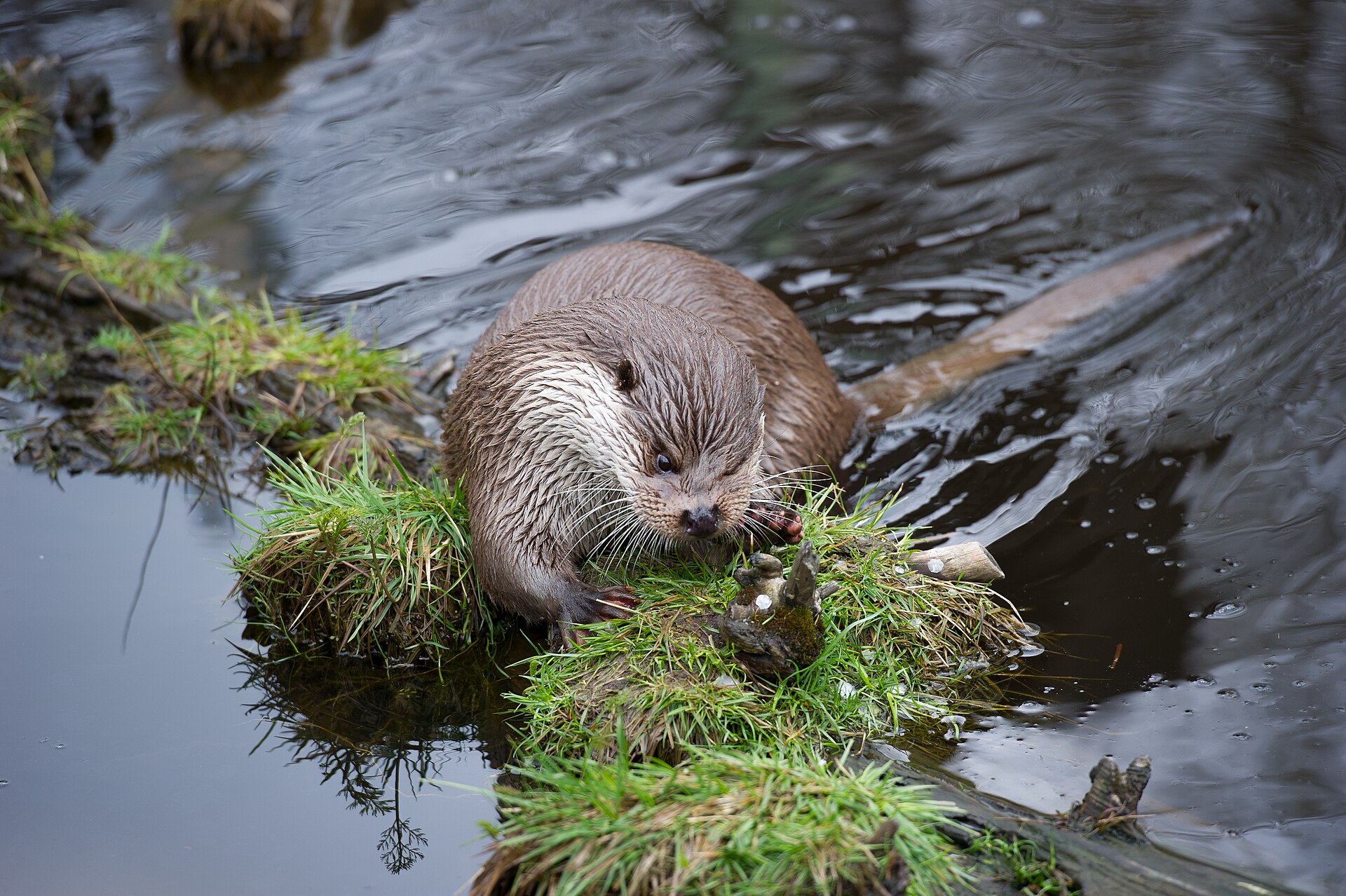
Eurasian otter has recovered markedly in Sweden after a long historical decline. This guide explains the recovery, remaining threats and why an improving trend does not mean all conservation problems are solved.
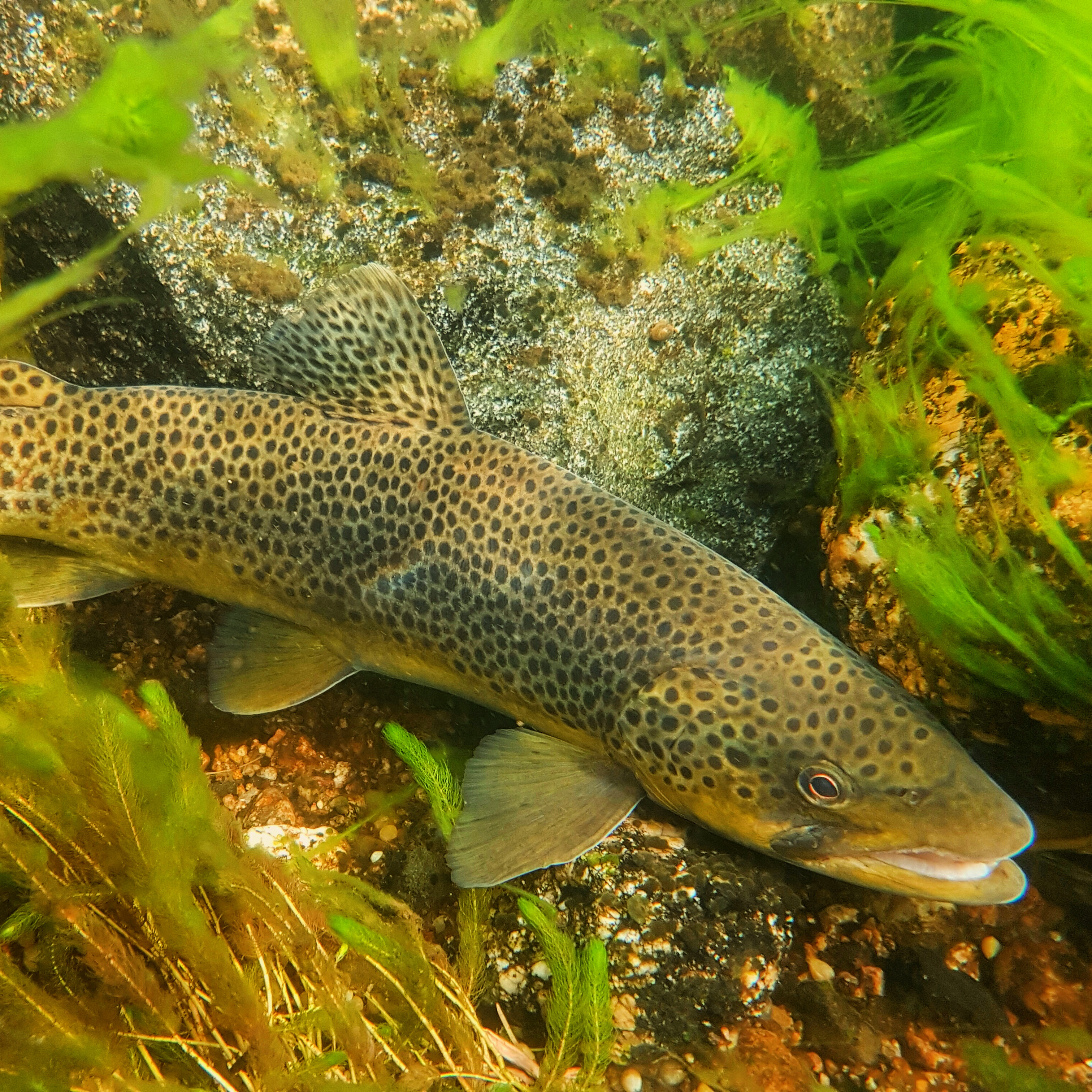
Brown trout occurs from the Swedish coast to the mountains. Some fish remain in streams for life while others migrate to lakes or the sea before returning to spawn.