ENSV

Grey wolf

Grey wolf — Canis lupus

The Scandinavian grey wolf lives in territories and has been studied for decades using GPS tracking and DNA. This guide focuses on movement, territories, reproduction and genetics rather than political targets or hunting decisions.

What does research tell us about wolves in Sweden?

Grey wolves (Canis lupus) in Scandinavia live in territories and are studied using tools including GPS tracking and DNA. Research shows how individuals move, establish territories and reproduce, while genetic research documents the population’s limited founder history.

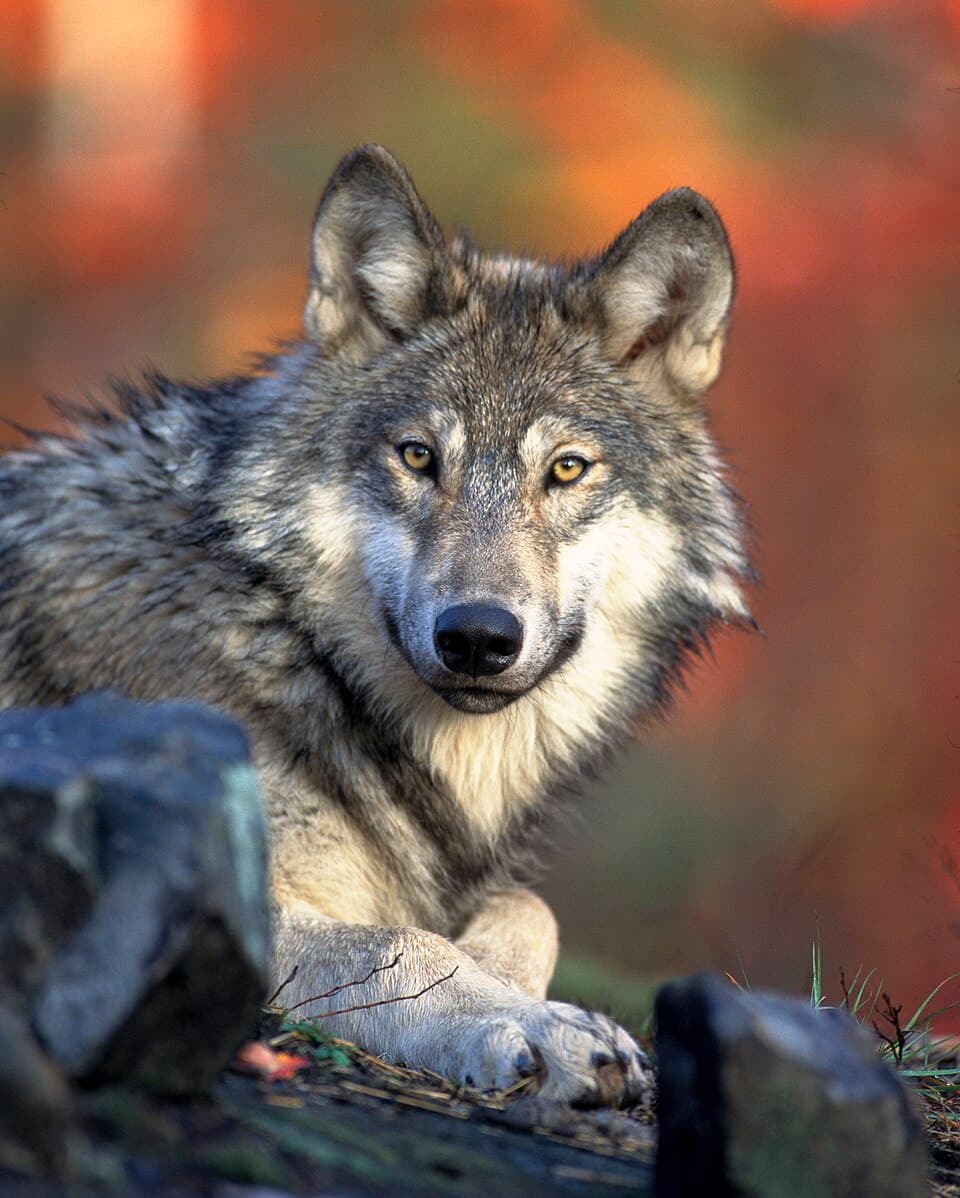
A gray wolf resting with its head raised, tawny-grey fur and an alert gaze looking directly at the camera.
Gary Kramer

Source: SLU SKANDULV: research on wolf behaviour and genetics · Last verified: 8 September 2026

Population numbers, management targets and hunting decisions are dynamic and deliberately omitted from the evergreen core of this guide.

Territories and movement

SKANDULV uses GPS data to study movement patterns, territory size and how wolves use their territories across seasons.

Dispersal

Tracked young wolves can be followed as they leave their natal territory, travel through the landscape and eventually establish territories of their own.

Reproduction

Spring movement patterns help researchers identify when and where reproduction has taken place.

Genetics

SLU describes the Scandinavian population as genetically isolated from neighbouring Finnish and Russian populations, with substantial inbreeding resulting from a small number of founders.