ENSV

Northern pike

Northern pike — Esox lucius

Northern pike is a predatory fish found in lakes across much of Sweden and in Baltic archipelagos. This guide explains its habitats, hunting behaviour and the importance of shallow vegetated areas during spawning.

What should I know about northern pike and its habitat in Sweden?

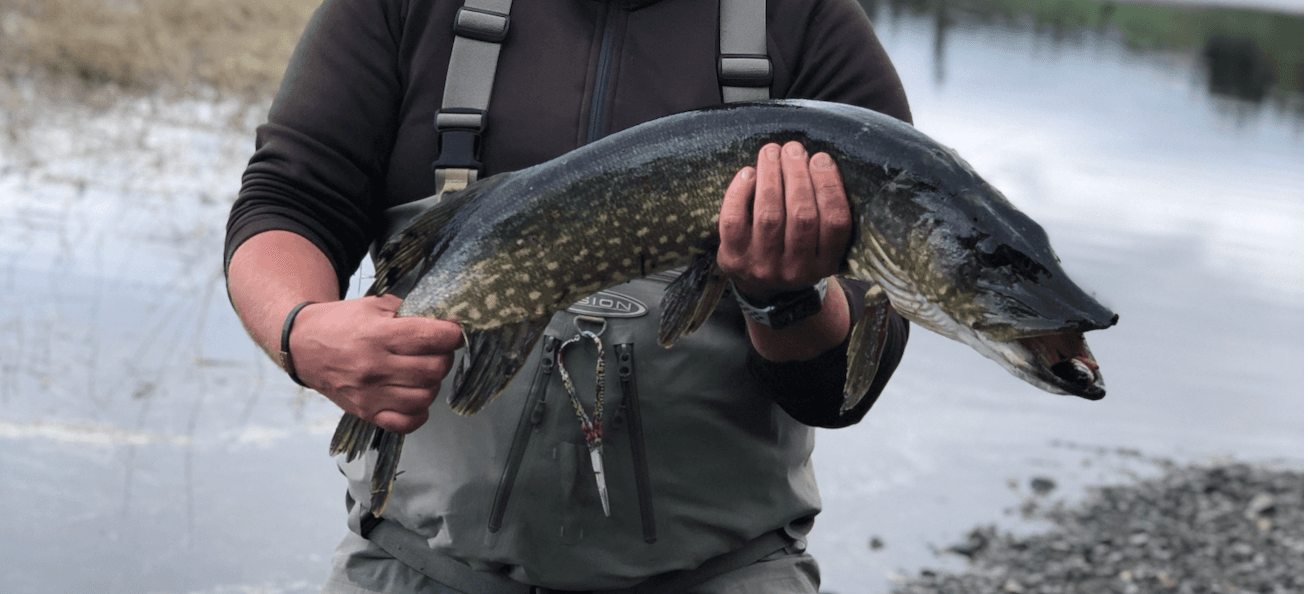
Northern pike (Esox lucius) is widespread in Swedish lakes except at high elevations in the mountains, and it also occurs in Baltic archipelagos. It is a predatory fish often associated with shallow, vegetated margins and it usually spawns from March to June. Fishing rules vary locally, so always check the current rules for the exact water you plan to fish.

A northern pike lying in grass, showing its elongated body, duck-bill-shaped snout and pale yellow spots on olive-green flanks.
Ron de Deugd

Source: Havs- och vattenmyndigheten: Gädda – arter och livsmiljöer · Last verified: 8 September 2026

Lokala fiskeregler och beståndsförhållanden kan ändras och varierar mellan vatten. Guiden beskriver artens generella biologi och ersätter inte kontroll av aktuella fiskeregler.

Where northern pike occurs in Sweden

The Swedish Agency for Marine and Water Management describes northern pike as widespread in lakes throughout Sweden, except in high-elevation mountain waters. In the Baltic it is mainly found in archipelago environments. Along the west coast it may occur near river mouths but is only rarely found in fully marine water.

How pike lives and hunts

Pike becomes predatory early in life. It is commonly relatively stationary and associated with shoreline vegetation, using cover before making short, fast attacks on prey. Fish make up much of its diet, although other larger aquatic animals may also be taken.

Spawning and shallow habitat

Spawning generally takes place from March to June. In lakes, reed beds and flooded shore meadows are used, while coastal pike use shallow vegetated bays and may also migrate into freshwater. This helps explain why shallow vegetated habitat is important for the species.

Fishing rules are local

This page describes the species rather than giving a complete set of fishing rules. Closed areas, size limits and catch restrictions can differ between places and can change. Check the current regulations for the exact area before fishing.
Related

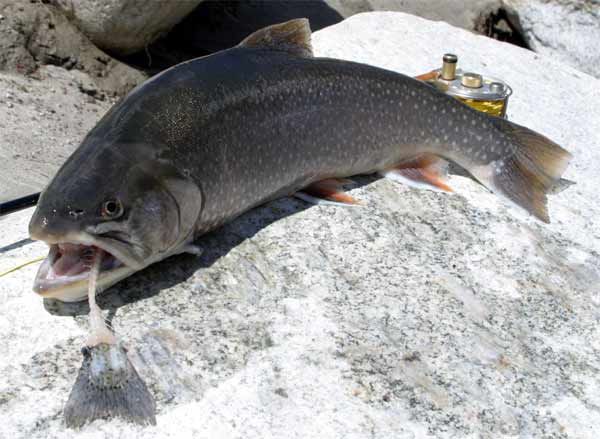
A char held above a rock slab, showing a dark body with pale spots and orange-red fins with white leading edges.
Species

Arctic char and Swedish char populations

In Sweden, “röding” covers closely related char with different distributions. Large-lake char occurs in waters such as Vättern and Sommen, while Arctic char is found from Värmland northward along the mountain chain.

Species

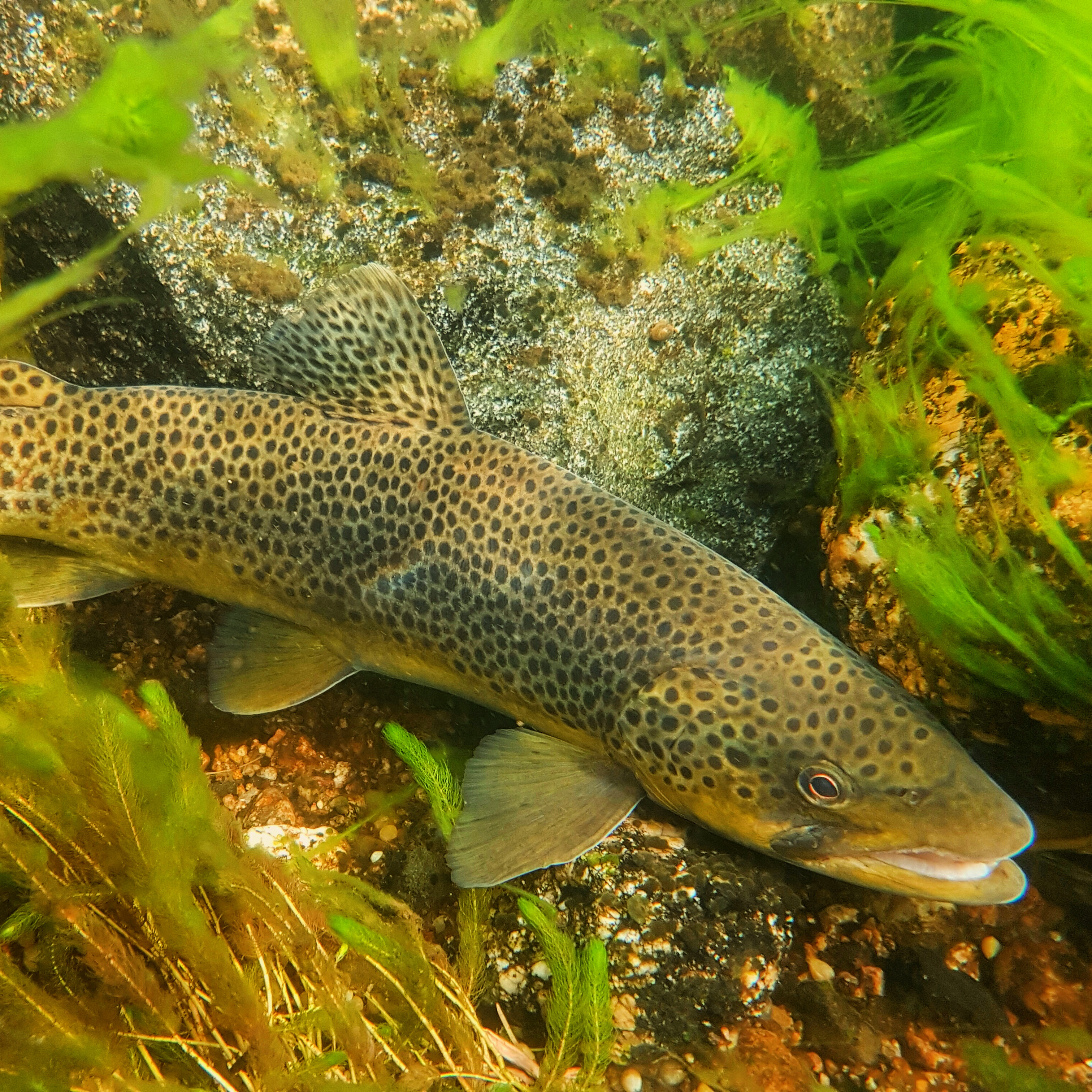
Brown trout

Brown trout occurs from the Swedish coast to the mountains. Some fish remain in streams for life while others migrate to lakes or the sea before returning to spawn.

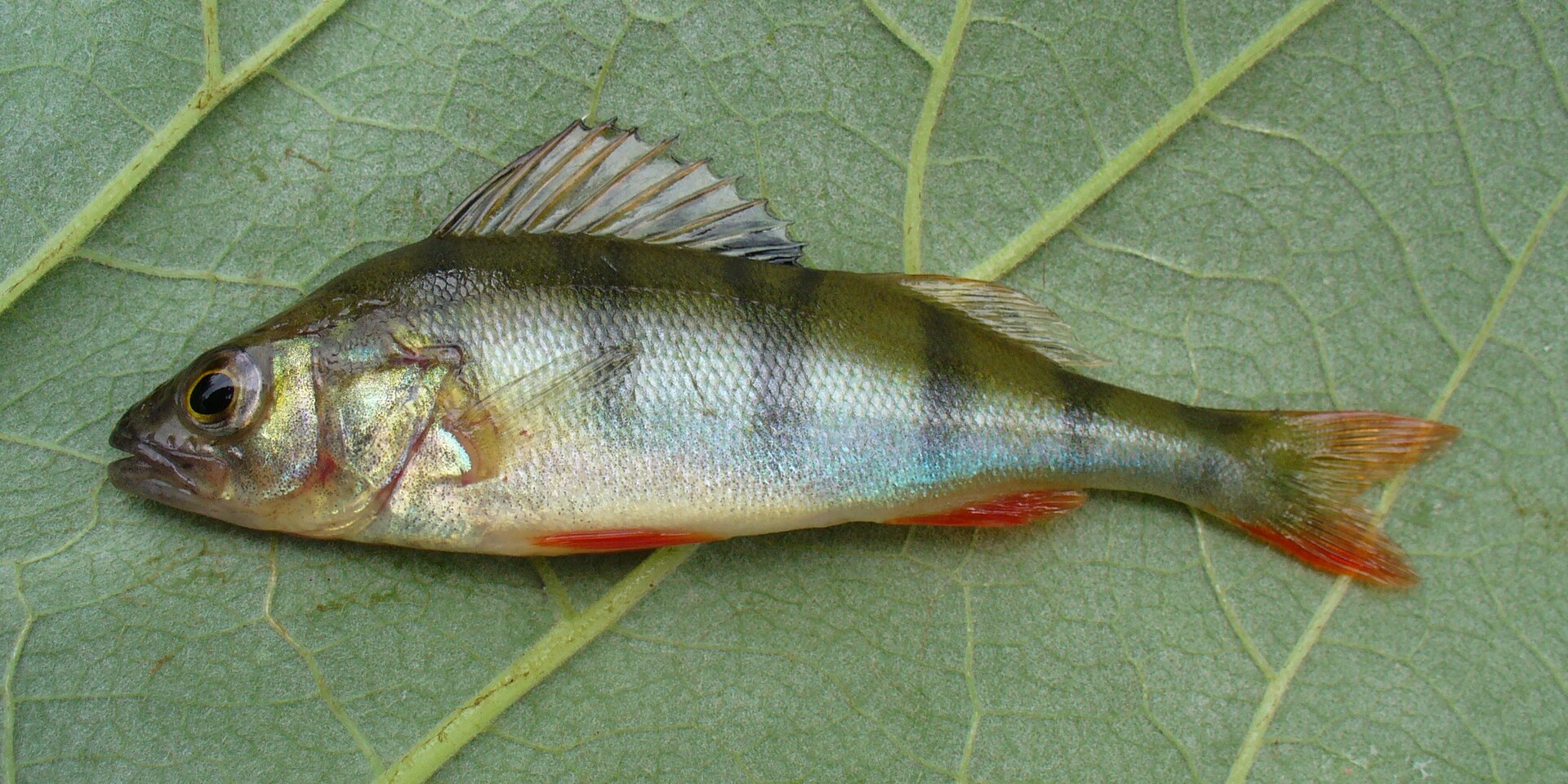
A European perch resting on a large leaf, showing its golden-green body with dark vertical bars and orange-red lower fins.
Species

European perch

European perch is one of Sweden’s most widespread freshwater fish and also occurs along the Baltic coast. This guide explains its distribution and why populations can vary considerably between waters and years.